Doubling Down on Boarding Schools

A recent article in The Atlantic argued that smaller private schools are dying out and are gradually being replaced by more affordable options such as public and charter schools. This argument had me thinking about the value of a boarding school education; boarding schools have an opportunity to “double down”—but only if we can articulate what makes us special, a value we all deeply believe exists.

This article’s wake up gong is good for us to consider. And yet, the 24/7 model of a boarding school creates what I believe are hard-to-measure interactions across the spectrum of things we do.

Certain things are timeless. This week, I was reminded of that when I heard about the varsity baseball teams victory over Pomfret and listened to the student council present to department heads. The dance concert tonight is another example of creating an invaluable student experience. In all of these examples, the “doing” means that you have to be there.

The article also had me thinking about how the argument of “turning to families from Asia who can afford tuition” is always, and I mean always, written as a pejorative. There’s a story in that. Schools have always evolved over time. If American boarding schools are a highly sought after experience among an international population, is that so bad?

Until the great social changes brought upon by the Civil Rights movement—I am thinking here of such landmarks as Brown vs. the Board of Education and Johnson’s Civil Right’s Act—boarding schools, and indeed colleges in New England, catered primarily to elite populations. Then the great egalitarian sweep of U.S. geographical distribution occurred. And now we are schools to the world.

While tuition costs may be growing, I believe the world view, rather than the provincial one, will create growth opportunities for building sustainable models. Certainly private institutions need to increase endowments for tuition relief—but most important is that we continue to offer relevant and timeless education opportunities for all.

Civil Discourse

As we approach the opening night of The Laramie Project, it is well that we remember a foundational value at Williston: Respect. That value was apparent at a recent assembly, when student actors showed this testimonial video. The video, which highlighted the impact that The Laramie Project has had on their world views, is one example of the best that a Williston education has to offer. How wonderful that students, including some previously unfamiliar with the stage, should choose to work on such a powerful and moving play.

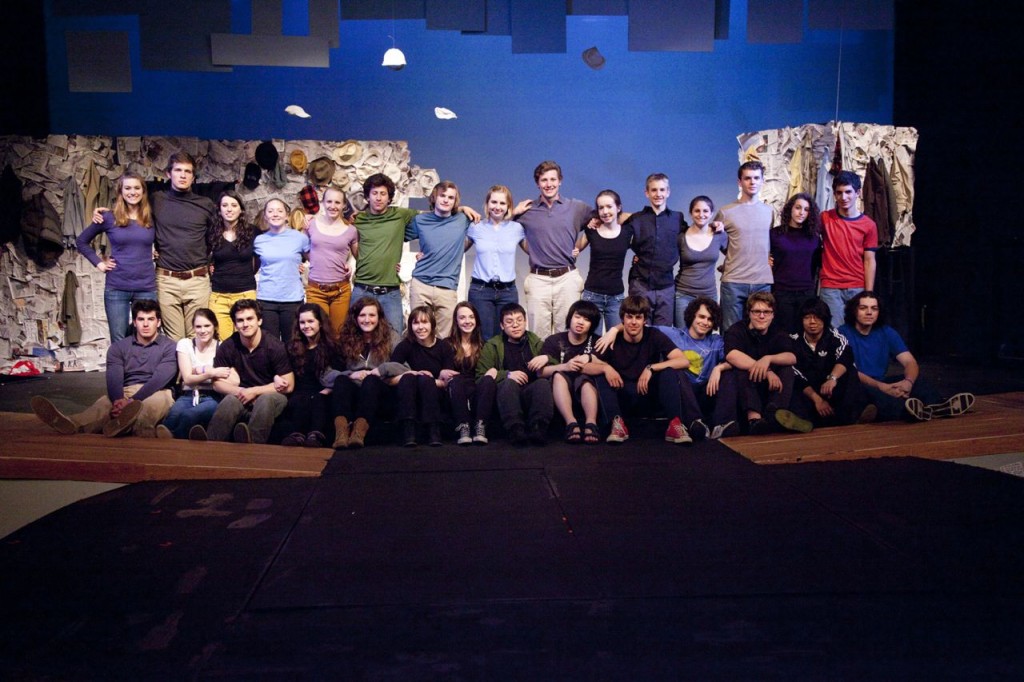
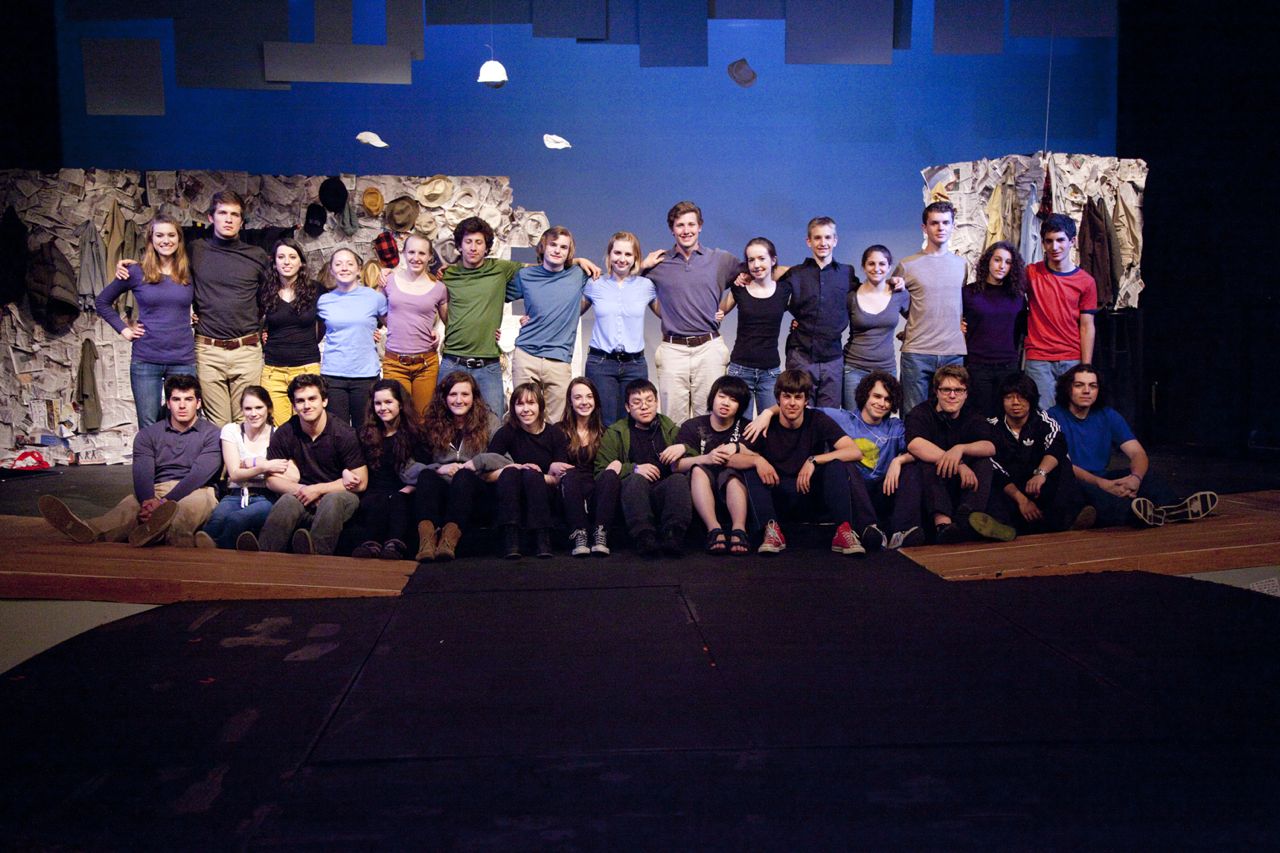
Laramie Project Cast © Janine Norton

I am constantly reminded that Williston is a respectful community, where individuals are valued and supported for who they are; it’s a “community of ‘we’” as I like to quote a student as saying.

As I read with sadness the uncivil discourse affecting an Ivy League college in New Hampshire (over issues of inclusivity and fundamental principles of respect and integrity), it is my fervent hope that Williston students will be leaders in their future communities, helping us advance towards the betterment of all.

Easthampton to Asia

Seoul, Taipei, Hong Kong, and four more stops before returning to Williston.  It has been a fast paced trip to Asia—too fast to see all of the alumni who constitute Williston’s extended global family.  But as with our last trip, I (and all the Williston folks traveling with me) have been overwhelmed by the hospitality of our hosts and the eagerness for news. I’ve been talking to many people about the good initiatives underway at Williston, as well as those still to come.

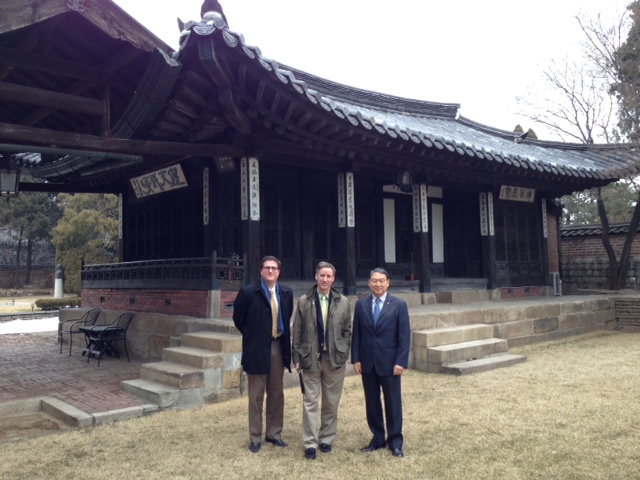
Moving from country to country, I can’t help but juxtapose various meetings. Here’s an example of what I mean: At one point, we met the distinguished citizen of Seoul (and Williston’s first Korean alumnus), Mr. Yun, son of a former South Korean president. He graciously showed us his traditional home. In Hong Kong, we met Ronald Chan, from the Class of 2001. Mr. Chan represents the younger generation of civic-minded Willistonians in his role as political assistant to the Secretary for Constitutional and Mainland Affairs.  Two men, two different eras, both committed to civic engagement and the public good.

Robert Ward liked to quote the poet Robert Frost in saying that Williston instills in its students “doing good well. ” On this trip, we have witnessed that such values have a truly global reach.

A Novel Novelist

A dream come true. That’s what Maddie Blaise said when she attended the 15th annual Writers Workshop (which she and close friend, Elinor Lipman, founded as Williston parents when their own children attended Williston). The dream was none other than award-winning, first-time novelist, Jennifer duBois ’02 sharing her work and thoughts as this season’s first visiting author.

DuBois’ novel, A Partial History of Lost Causes, has made quite a splash in the literary world, earning her recognition as one of the top five authors to watch under the age of 35.

She fielded many questions from the eager audience at her alma mater—including one from me. I asked her how she would have written this work in the pre-Internet era. She had explained that her research included leaning from the photos of random vacationers to Russia, courtesy of Flickr. (See the Williston Northampton Flickr site here.)

What a treat to see a Williston grad achieve such success and remember her teachers and school so fondly.

Singing in the School Year

Williston is a “singing school,” as Ben Demerath, our music director always tells us.  And surely, our boys and girls singing groups, the Caterwaulers and the Widdigers, produce memorable moments each year.  But even Mr. Demerath was surprised by what happened at Sunday’s first Upper School assembly.

Gathering in Stephens Chapel following orientation activities, the classes of 2013 through 2016, were arrayed in their class colors. As part of Associate Head of School Jeff Ketcham’s annual talk about the year to come, the words to Journey’s “Don’t Stop Believin’” were displayed on screen and the song was played over the sound system. All of a sudden, the entire assembled student body started spontaneously singing along to the anthem.

I have seen more opening days of school than I care to admit to, and the combination of activities that Williston students enjoy in the days leading up to first classes reveals the dedication of all who work here.  Not many schools, I suspect, have teachers who are willing to spend two (sleepless?) nights in cabins with ninth graders the weekend before classes; and the time and care with which the deans and dorm parents transition students into Williston regarding community expectations—with an emphasis on integrity—speaks loudly about the relevance of our mission.

So here we go with our 172nd school opening, and I look forward to every moment of the good to come.